
The Justice and Equity Centre (JEC) has been tackling injustice and inequality for more than 40 years. Formerly the Public Interest Advocacy Centre, the organisation works at the intersection of law, policy and social justice.
The Centre exposes laws, policies and practices that cause or entrench injustice, engaging the public and decision-makers to bring about change. It determines its strategies and focus in collaboration with the communities it supports and empowers people with lived experience of injustice to initiate, inform and influence positive change.
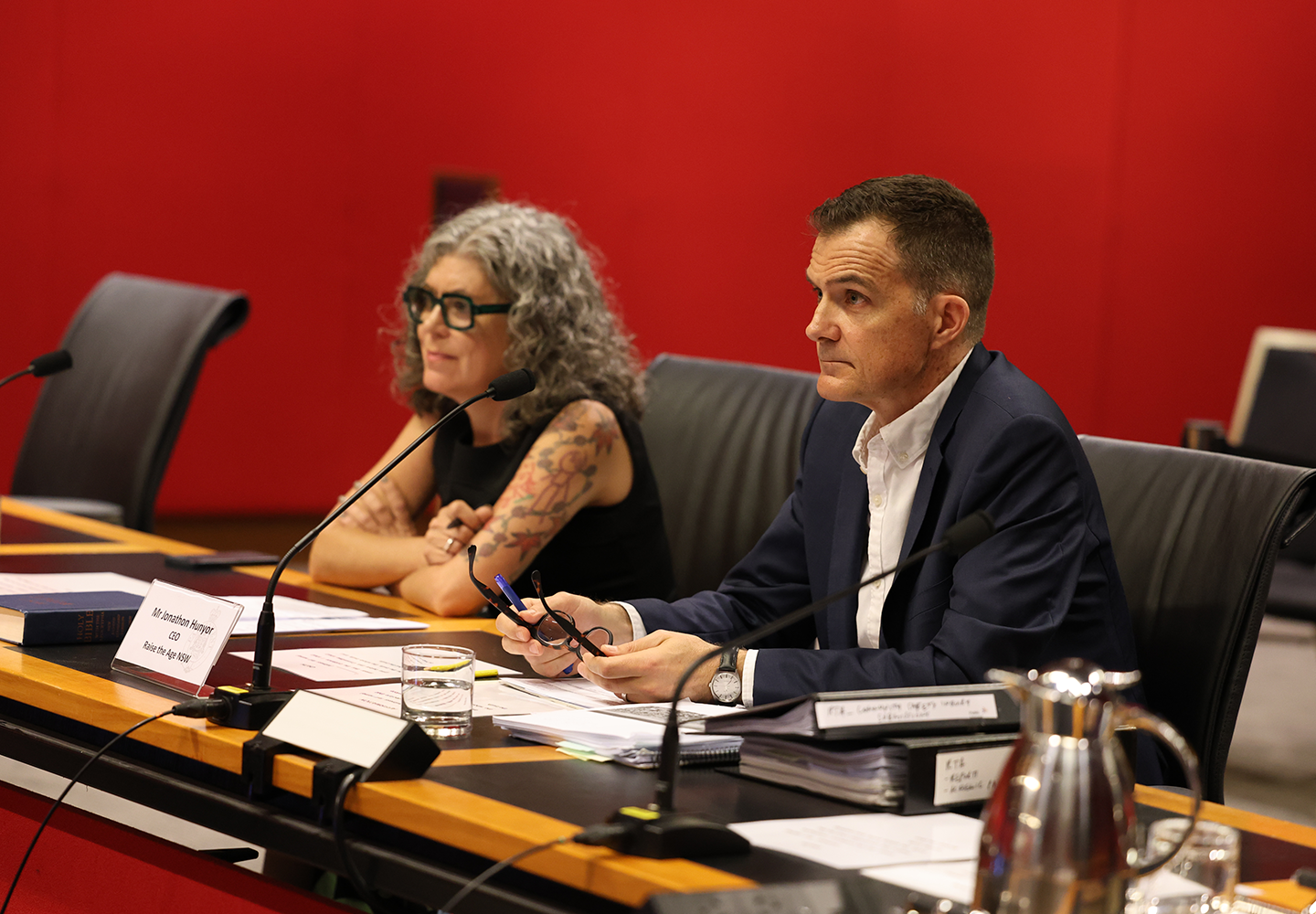
“Working in partnerships and alliances within and across systems is at the heart of our strategy,” says Jonathon Hunyor, CEO at the Justice and Equity Centre. “We bring together people, organisations, institutions and other stakeholders to work collaboratively for positive change.”
Working across five focus areas, including First Nations justice and disability rights, the JEC focuses on issues where its strategic legal and policy expertise can protect human rights and help deliver social justice.
As a systems intermediary, the work that JEC does, however, is not always easily defined. Often, it takes a background role, doing the coordination work that is so necessary for collaboration, yet is often invisible.
“There’s a lot of people and organisations out there doing great things focused on their areas of expertise, but for big change to happen, this isn’t enough,” says Mia Georges Sturrock, PRF’s Capability & Connections Lead.
“We need players to be connected, working together to coordinate, strengthen and amplify efforts. It’s the in-between and invisible stuff that’s needed– the facilitating, the convening, listening and learning to help players respond as opportunities and contexts shift.
“This is where the JEC’s expertise lies.”
Successful advocacy and collaboration come in many different forms. But addressing complex social challenges often requires organisations with diverse backgrounds, interests and resources to work together effectively.
And that doesn’t happen by accident.
Systems are made up of many moving, often fragmented, parts - policies, institutions, relationships, power dynamics, and lived experiences. Jonathon says that changing them requires coordination, trust, and a deep understanding of how these pieces are shaped and how they connect.
“There are countless people and organisations working towards positive change. But so often efforts are fragmented. We see great ideas remaining isolated and missed opportunities for broader, collective impact.
“We play a role operating in the space between. We help connect the dots,” says Jonathon.
Raising voices to Raise the Age
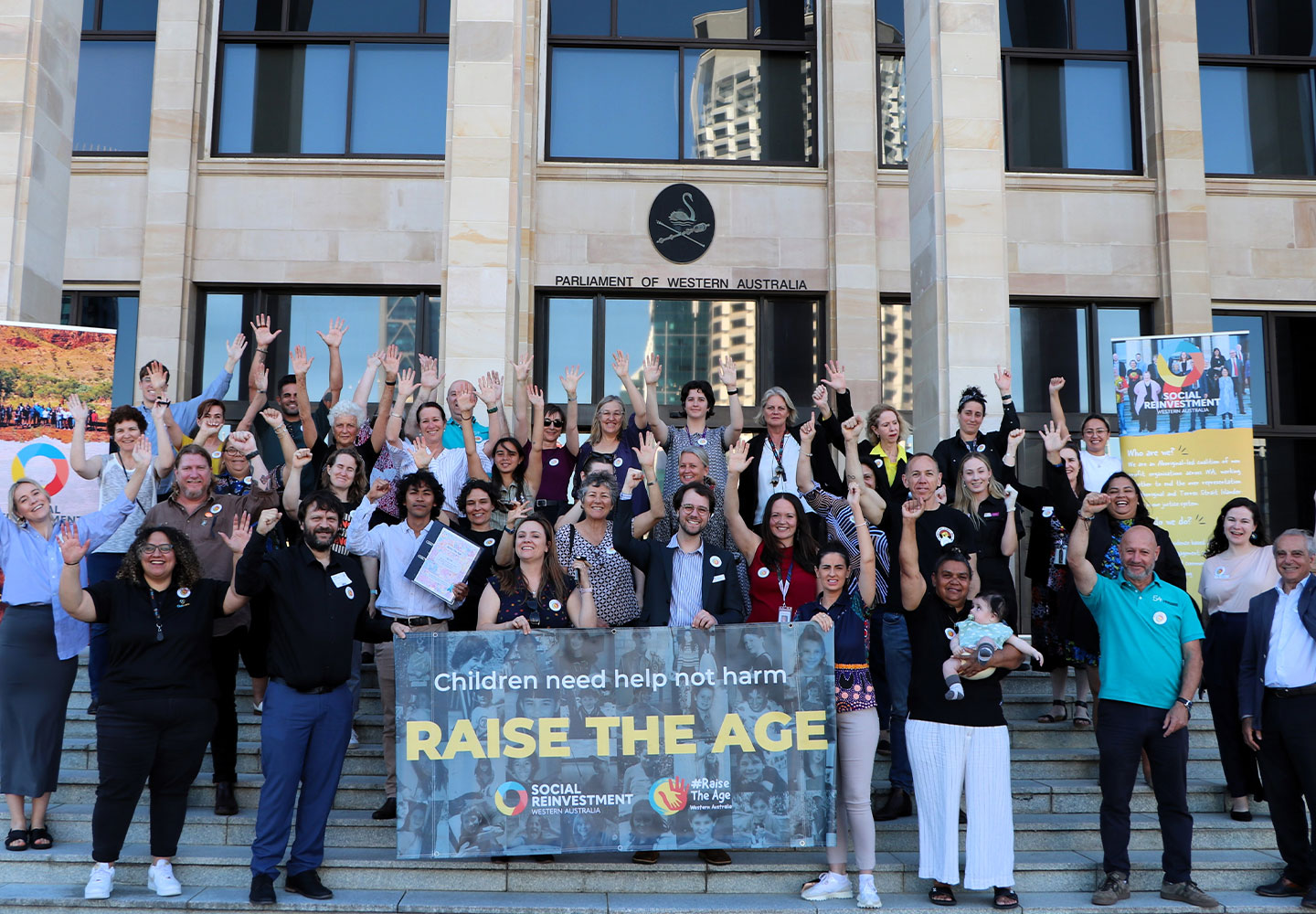
In NSW, the JEC is coordinating the campaign to Raise the Age of criminal responsibility from 10 to at least 14. It’s built a partner network of more than 180 peak bodies, charities, Aboriginal community-controlled organisations, community services, human rights and civil society organisations, with the work led by a group of 13 trusted, connected, and influential organisations.
“The evidence shows that criminalising children as young as 10 causes them harm and wastes significant amounts of public money,” says Jonathon.
“All of the organisations in the lead group were individually standing up for kids and advocating for investment in services they need, but joining together as one voice has added weight and momentum.
“Together, we understand the issues and can work with government to build a better way for all children and all communities.”
Changes like raising the age of criminal responsibility, however, are complex. Beyond policy and institutional change, it requires a shift in public sentiment. Even with compelling evidence and a broad network of supporters, progress is slow and not always linear.
In 2024, the JEC reported that a public awareness campaign had changed hearts and minds. The proportion of people who supported raising the age increased from 33% to 54% after seeing the powerful ’10 is too young’ ad produced by Raise the Age NSW with pro bono support from media partner Unltd. Despite this, the NSW Government is yet to commit to the change.
“Support for raising the age continues to build, but political momentum fluctuates depending on the government’s political priorities, and what’s happening in the news,” says Jonathon. “We need to be committed for the long-term, have the flexibility to respond to the political context, and maintain trusted relationships with network members over time.”
It’s the sort of work for which it is difficult to attract funding.
“This work matters. But it’s hard to see, hard to understand, and hard to measure the impact of,” says Mia.
“The JEC, like other intermediaries, acts like glue, binding together disparate parts of systems. To create enduring changes to systems that cause harm, the glue must be adequately supported and funded.”
PRF granted Justice and Equity Centre $780K in 2022 for the Raise the Age campaign, almost $400K in 2023 for their work on a fairer NDIS, and in November 2025, PRF provided $2.5 million funding to JEC to support core operations over the next 5 years.