
Working across the system
In Western Australia, the justice system has long been shaped by a “tough on crime” approach that has disproportionately impacted Aboriginal communities and contributed to high rates of incarceration.
Despite making up just 3% of the population, Aboriginal and Torres Strait Islander people account for 78% of children in detention in Western Australia, more than half of women, and around 40% of men in prison.
Social Reinvestment WA (SRWA) is a First Nations-governed coalition working to end the systemic over-representation of Aboriginal and Torres Strait Islander people in WA’s justice system, transform old systems and prioritise smart justice, healthy families, and safe communities.
Rather than focusing on a single solution, SRWA works across multiple fronts: public advocacy and campaigning, support for community-led justice reinvestment projects, and uniting organisations and communities to amplify their collective voice for change.
These efforts are designed to work together to shift public debate, build evidence for alternatives to incarceration, and strengthen the relationships needed to sustain change over time.
What this looks like in practice
Across WA, this approach is helping to shift how local challenges are addressed.
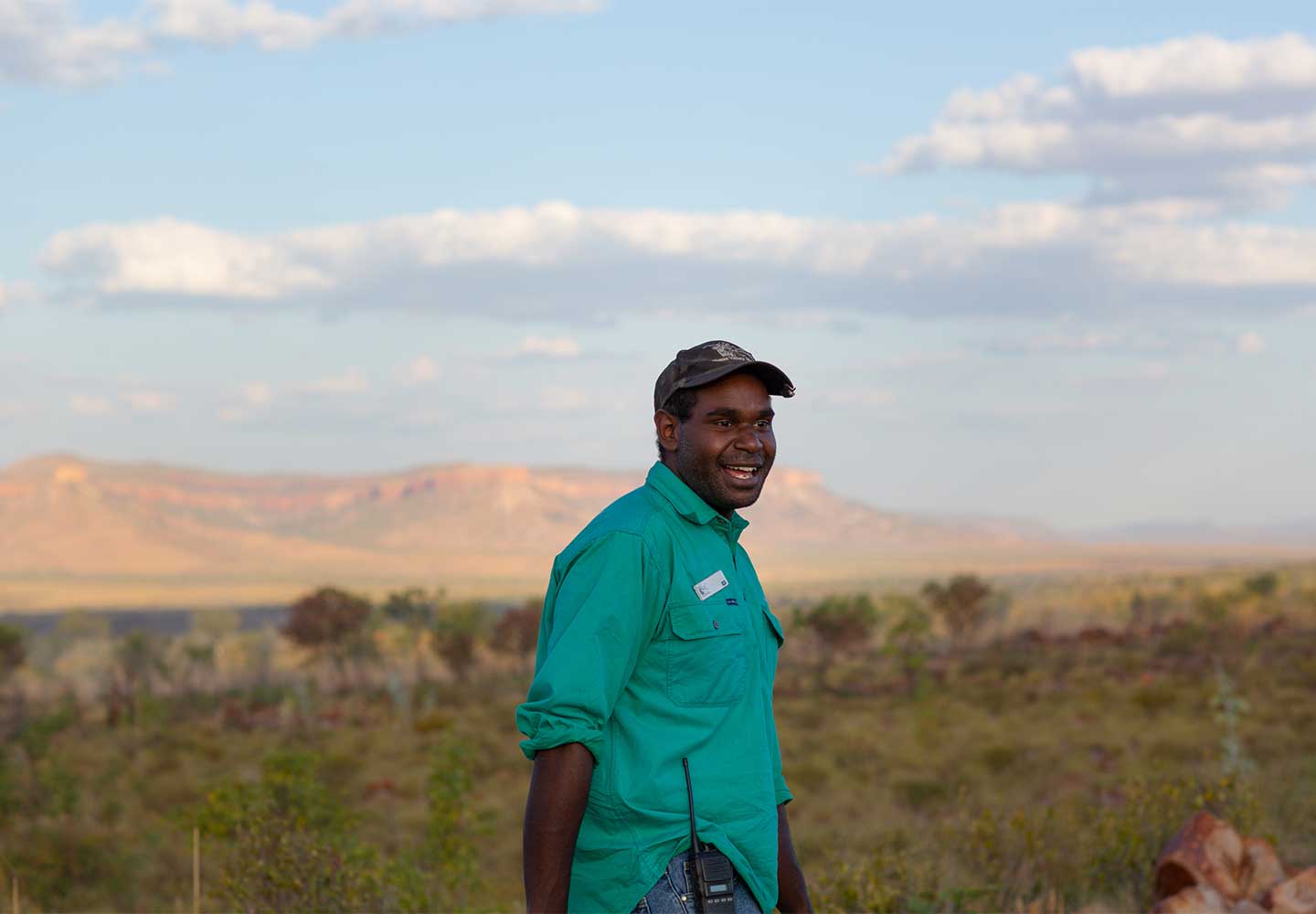
Community leaders are moving away from fragmented services and developing coordinated, place-based responses. These strategies draw on local knowledge and target the root causes that lead people into contact with the justice system.
Justice reinvestment initiatives in these communities have produced positive early results including reduced crime rates, increased local employment, and stronger community leadership.
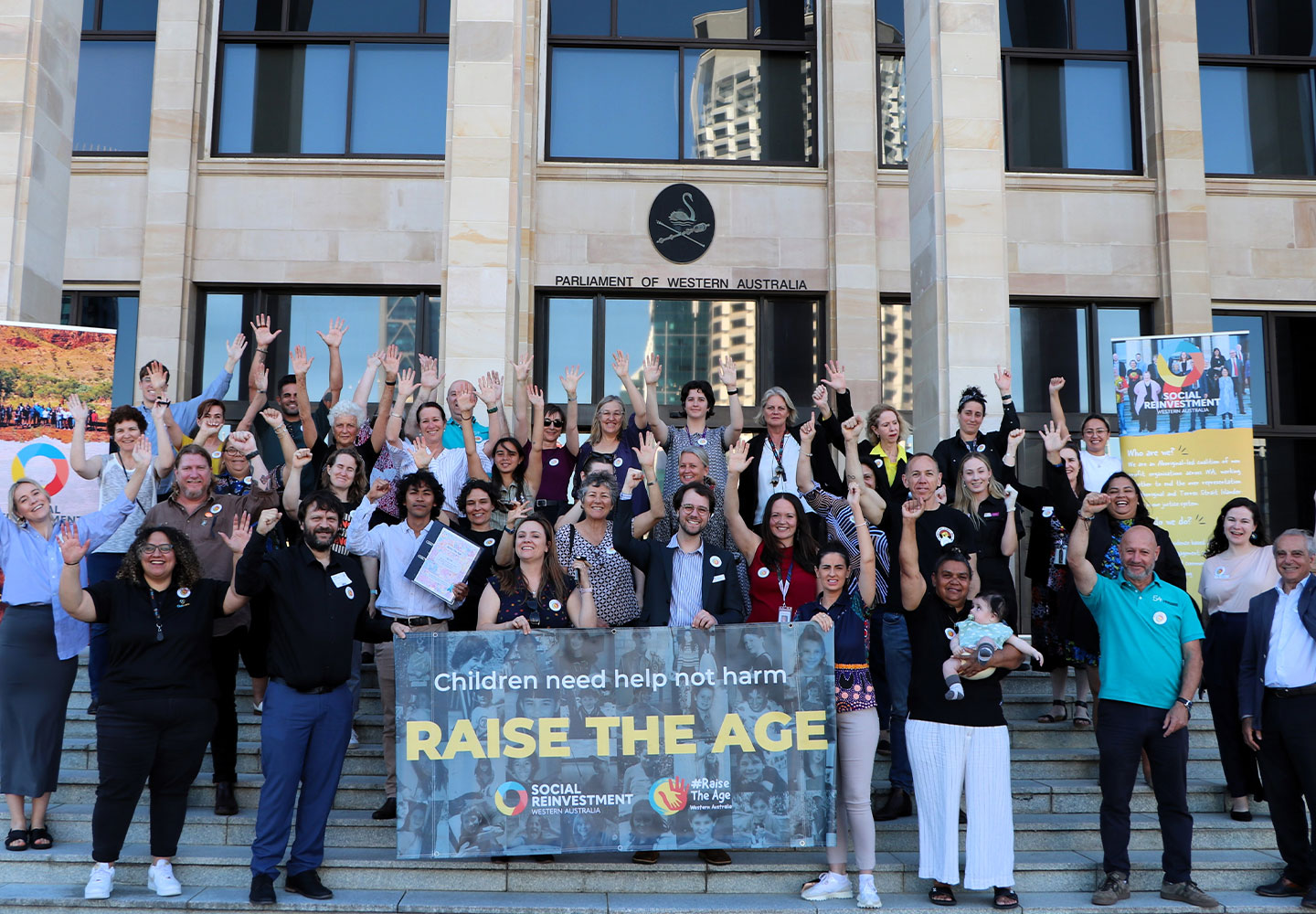
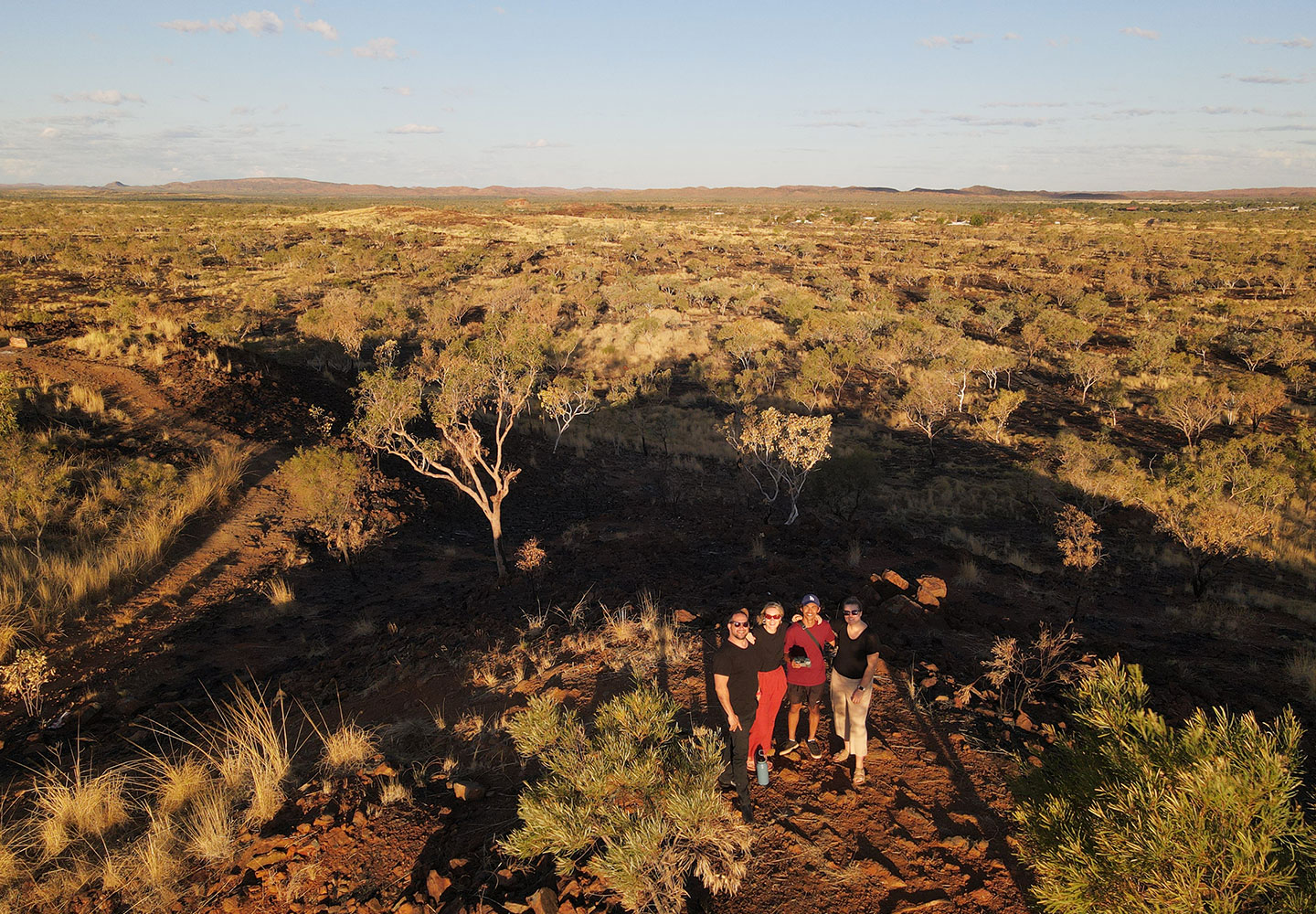
Community service sector leaders unite their voices for collective power- contributing to a common cause and backing the calls to end the over-incarceration of First Nations people.
Early signs of change
There are early signs that this approach is making a difference across WA.
An independent evaluation of SRWA’s efforts, supported by PRF, shows a shift in public and political debate, moving away from punitive responses towards prevention, diversion, and community-led solutions.
The evaluation also points to tangible outcomes, such as changes to fines enforcement laws that have ended imprisonment for unpaid fines — a measure that previously disproportionately affected Aboriginal people.
There are also significantly better conditions and increased transparency in youth detention facilities. SRWA’s campaigning has ensured children are now out of cells on average 9 hours a day as opposed to rolling lockdowns, and secured cross spectrum political support for the closure of the notorious Unit 18.
SRWA has helped spark momentum for justice reinvestment, helping secure Commonwealth and State government funding for 6 communities, while supporting local advocacy and leadership.
In addition, SRWA has united more than 30 partner organisations, strengthening advocacy and building momentum for reform statewide.
A central element of this work is ensuring community voices are heard. Campaigns such as Stories from the inside and the similar Me at 10 highlight the realities of the justice system, helping to humanise an issue often dominated by political rhetoric.
Stories from the Inside
For many people, the realities of the criminal justice system remain out of sight.
Through Stories from the inside, a storytelling series led by Social Reinvestment WA (SRWA), people with lived experience of incarceration are sharing what it means to enter the system — offering a powerful and deeply personal window into how it works, and where it fails.
The campaign spans a podcast, video series and storybook, bringing these experiences to a wider audience and challenging long-held assumptions about justice.
Some of those stories are shaped by resilience and healing. Many reflect the complexity of people’s lives. But together, they demonstrate a shared truth that the way the system currently responds is not working.
For SRWA, these stories are not just about raising awareness. They are a call to rethink how we respond to vulnerability, and to consider what a better system could look like.
As one contributor remarked, “It’s about how do you make it relatable, understandable and how do you connect back to people.”
What makes this work different
This progress reflects a deliberate way of working. SRWA’s approach is long-term and relational, founded on Aboriginal leadership supported by allies, shaped by lived experience and collective expertise, and built on trust among communities, organisations, and government.
It also acknowledges that change takes time. Progress is often incremental, and some long-term goals—such as raising the age of criminal responsibility and closing youth detention facilities like Unit 18— have not yet been achieved.
Reforms are vulnerable to changing political climates and public opinion, and achievements can be fragile amid broader system pressures.
But at the 2025 state election, progress towards SRWA’s landmark youth justice report and vision the Blueprint for a Better Future was evident. Every established party citing early intervention and prevention, and on country Aboriginal-led alternatives as part of their youth justice platform, a stark difference to a decade ago when SRWA’s work began in earnest.
As one contributor to the evaluation reflected, “sometimes, a win is holding the line.”
Changing how systems change
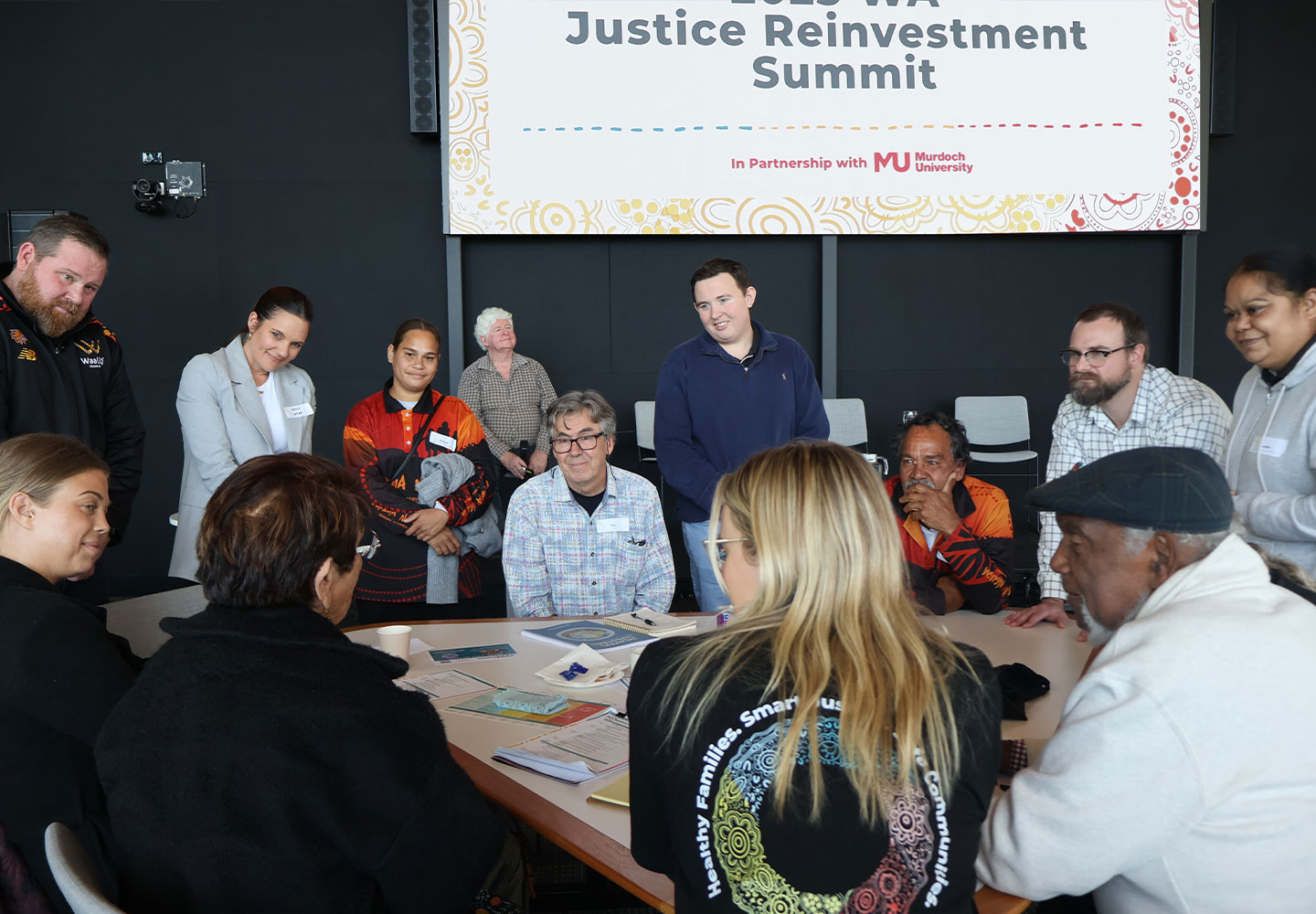
The evaluation demonstrates that systemic change does not result from a single intervention. It requires coordinated, sustained effort, with advocacy, community-led solutions, and coalition building reinforcing each other over time.
SRWA’s work reflects this approach. Campaigns shift public understanding and pave the way for policy change. Community-led justice reinvestment initiatives show what alternatives can look like in practice. Coalition building strengthens relationships and the legitimacy needed to advance this work.
Together, these efforts are creating the conditions for change, laying the foundations for a justice system that is more responsive, equitable, and effective.
Philanthropy has an important role in supporting this kind of work. Flexible, long-term funding can foster collaboration, support community-led approaches, and help organisations respond to emerging opportunities. It can also bridge the gap between early innovation and broader system adoption, ensuring promising ideas are not limited to small-scale pilots.
SRWA CEO Sophie Stewart says PRF’s funding supports the changemaking organisation to do the critical field building intermediary work, building capacity and acting as catalysts for communities leading change on the ground.
“Secure long-term funding enables us to build the scaffolding for enduring systemic change, with an intergenerational view,” she says.
“PRF’s funding is independent of government decision makers, ensuring SRWA can remain a trusted, independent public voice and demonstrate courageous and consistent care – maintaining vigilant advocacy on system failings whilst offering hopeful alternatives.”
Looking ahead
The work underway in Western Australia is part of a broader shift towards approaches that address the root causes of harm and place communities, and put the stories of Aboriginal people, and those with lived experience at the centre of decision-making.
Although the work is ongoing, the foundations are promising and there is a growing movement for change. Across WA, community coalitions are continuing to lead the way.